
Cholesterol and the Ketogenic Diet
Intrinsic Mind Holistic Health & Wellness | AUG 4, 2022
Hello
We hope you enjoy this blog post!
Cholesterol and the Ketogenic Diet
Most of us have outdated ideas about cholesterol, both the “good” and the “bad”. The reason is that cholesterol information is outdated and often misunderstood.
Until now doctors and medical professionals warned patients about eating high-fat foods for fear of increasing cholesterol levels.
It was thought those increased cholesterol levels then would undoubtedly lead to heart disease and other metabolic issues like diabetes.
Likewise, some folks are uber-hesitant to begin a ketogenic diet based on the all you can eat bacon and cheese buffet which goes against everything the medical professionals have been preaching all these years.
Both Are Wrong
It’s true. Once the bigger picture, the truer picture, is clear… it will all make sense.
Only humans and animals produce cholesterol which means humans get the 25% of cholesterol that comes from their food through animal proteins.
Plants are naturally cholesterol-free.
The Cholesterol Myths and Truths
First, we need to get a better understanding of the whole cholesterol fiasco and why the previous myths have been debunked.
● Cholesterol isn’t harmful. In fact, the human body produces 75% of its necessary cholesterol supply and the other 25% is ingested.
● Cholesterol doesn’t just float around willy-nilly in the bloodstream causing plaques and heart disease.
● A “cholesterol panel” is actually a lipid panel. The lipoproteins are what carry cholesterol. It’s the vehicle in which cholesterol travels that wreaks havoc on the cardiovascular system.
When a lipid panel is drawn the good old doctors are looking for the numbers and sizes of the cholesterol carriers (lipoproteins), not the cholesterol itself.
HDL (good), LDL (bad) and VLDL (ugly) are the vehicles for cholesterol.
These particles move cholesterol around to the parts of the body where it’s needed.
● HDL, high-density lipoprotein, is deemed the “good” one because it’s responsible for returning any leftover LDL cholesterol vehicles back to the liver to be recycled or sent down the poop chute. HDL has anti-inflammatory properties and assists the immune system.
● LDL, low-density lipoprotein, is not so good. These guys are slow and tend to get stuck in the arteries which starts plaque buildup. The LDL value calculates how many and the size of these lipoprotein vehicles are in the blood. An overabundance of smaller LDL vehicles can cause problems. The best scenario is a lower number and they are bigger in size.
● Then there is the VLDL, very-low-density lipoprotein, which doesn’t even carry cholesterol and instead carts around triglycerides. Triglycerides are the byproduct of leftover and unused sugars (carbohydrates) that need a place to hide. They are smaller than LDL cholesterol carriers, thus the risk for heart disease is much greater with these guys.
In summary, cholesterol gets a free ride and a bad rap.
Lipoproteins are just trying to do a good job, for the most part, and it appears that eating foods high in carbohydrates and sugars is the real culprit.
How Does Keto Help Cholesterol Levels?
Research has shown improved lipid panels in both men and women in several studies.
A low-fat diet versus a ketogenic diet has also been examined and studied specifically for lipoprotein improvements.
Studies have been conducted for as few as 24 weeks to more than a year.
The common factors in research thus far:
● Triglycerides decreased due to the ketogenic diet limitations on carbohydrates and refined sugars.
● Increased LDL carrier size which is good.
● Increased the number of HDL carries to deal with the LDL.
● Decreased body mass index and weight.
● Better blood glucose readings.
Pretty awesome news for those struggling with an out of whack lipid panel, weight loss and glucose issues.
If you find this interesting, check out this video to go into even more details HERE
To read up further on this article check it our HERE
The #1 Ketogenic Diet Myth
#1 Myth: A menu consisting of bacon and cheese is great on the ketogenic diet!
That’s simply not true and a terrible meal plan (don't get me wrong you can eat this, but not recommended as a dietary meal plan).
The ketogenic diet is based on getting the correct number of macronutrients (protein, fats and carbohydrates) to maximize results and maintain a state of ketosis.
It’s all about balance.
Adequate protein,
higher percentage of calories in fat than anything else and
limit carbohydrates to 20-50 grams.
Individual numbers vary based on goals and other factors.
There are a number of macronutrient apps and calculators online.
So, go ahead and eat bacon and savor that cheese.
They aren’t forbidden; they just have to fit the ratio.
Need another reason the bacon and cheese diet is absurd?
Humans need to balance electrolytes.
Sodium, potassium and magnesium are imperative for health and wellness.
Some of this can come from animal proteins, but the best sources are above-ground veggies.
Above ground vegetable, per 100 grams
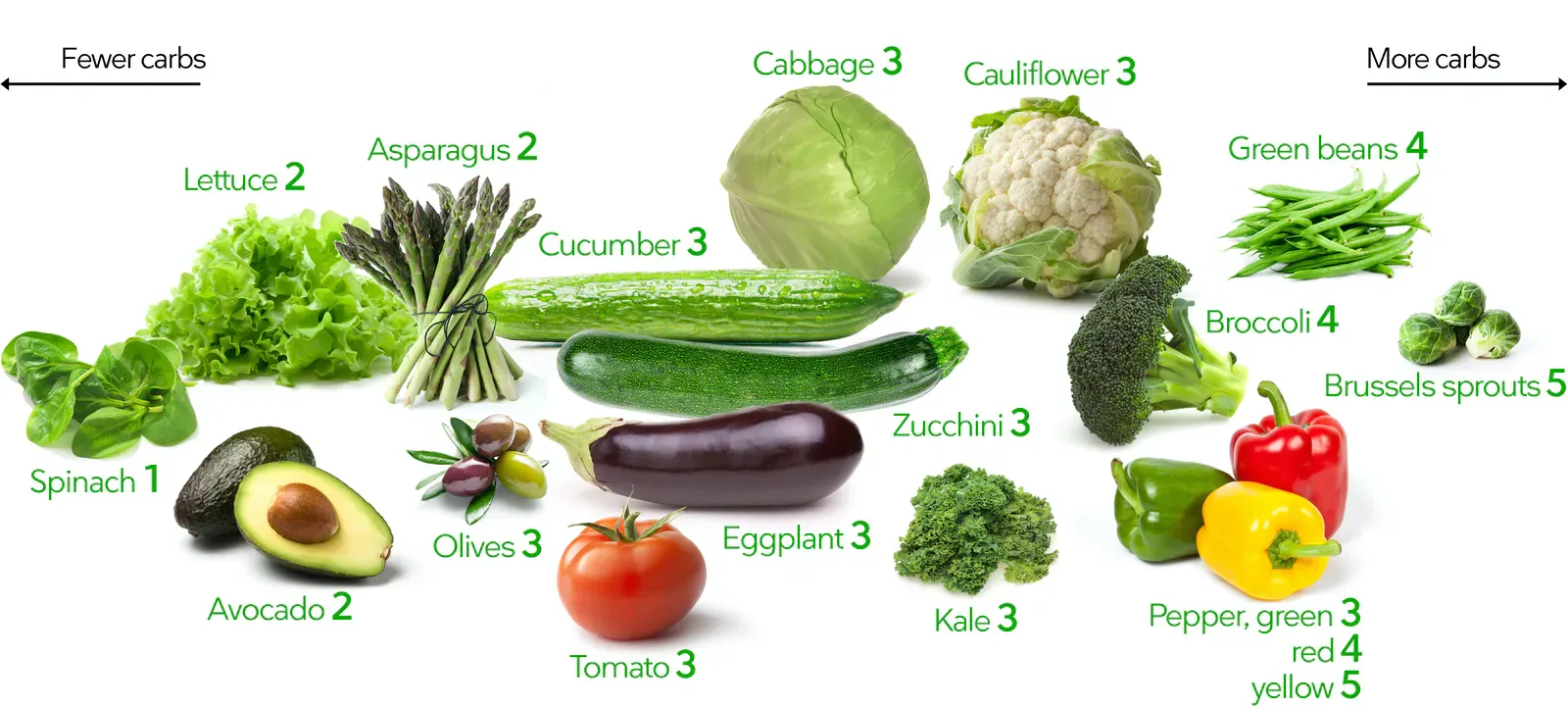
Vegetables are a great source of vitamins and antioxidants.
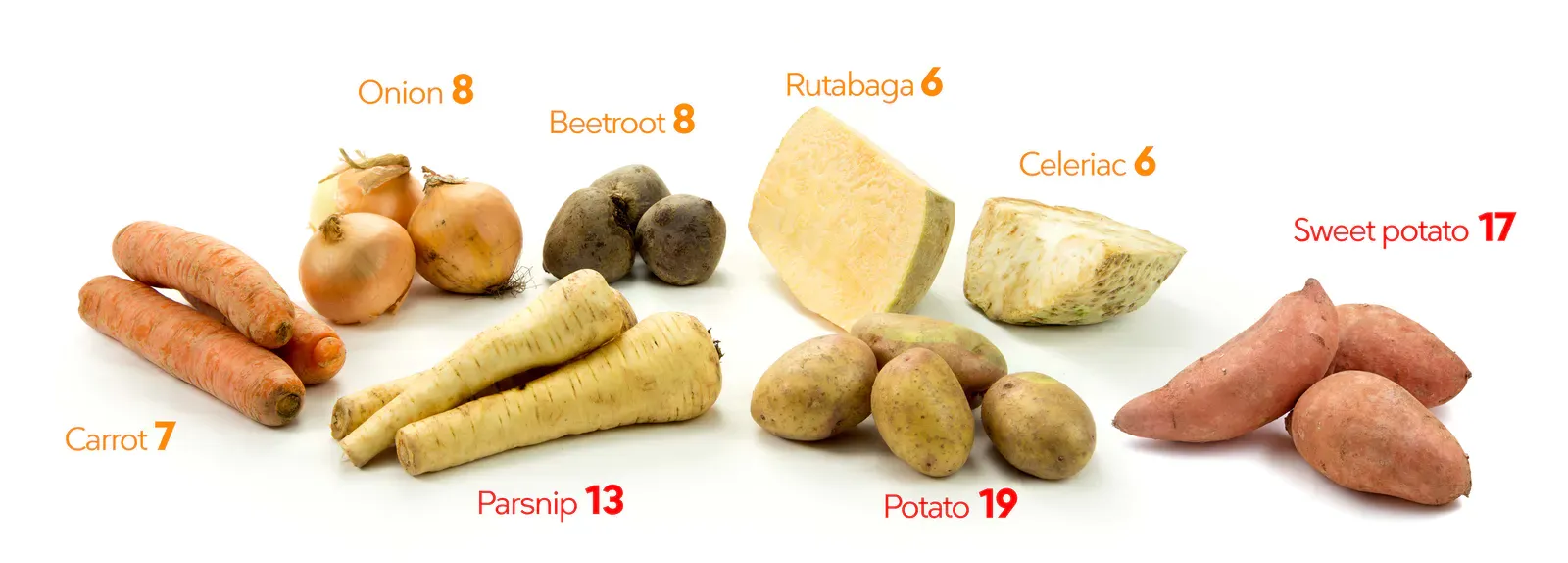
Steer away from the below veggies.
Avoid root vegetables, per 100 grams
Cholesterol isn’t such a bad guy after all.
The ketogenic diet can absolutely assist in correcting a lipid panel, along with many other benefits.
Oh, and a slab of bacon a day with a block of cheese certainly doesn’t fulfill ketogenic dietary needs, but both are in fact keto-friendly foods.
DR Stephen Phinney Talks To You All About Keto HERE
We would love to share our Keto Challenges with you, to find out more visit HERE
100% Human Support
Have an amazing day
Leisa Timms
Intrinsic Mind
Intrinsic Mind Holistic Health & Wellness | AUG 4, 2022
Share this blog post


© 2026 Intrinsic Mind Wellness Adelaide